Three bottles went missing on paper before the weekend
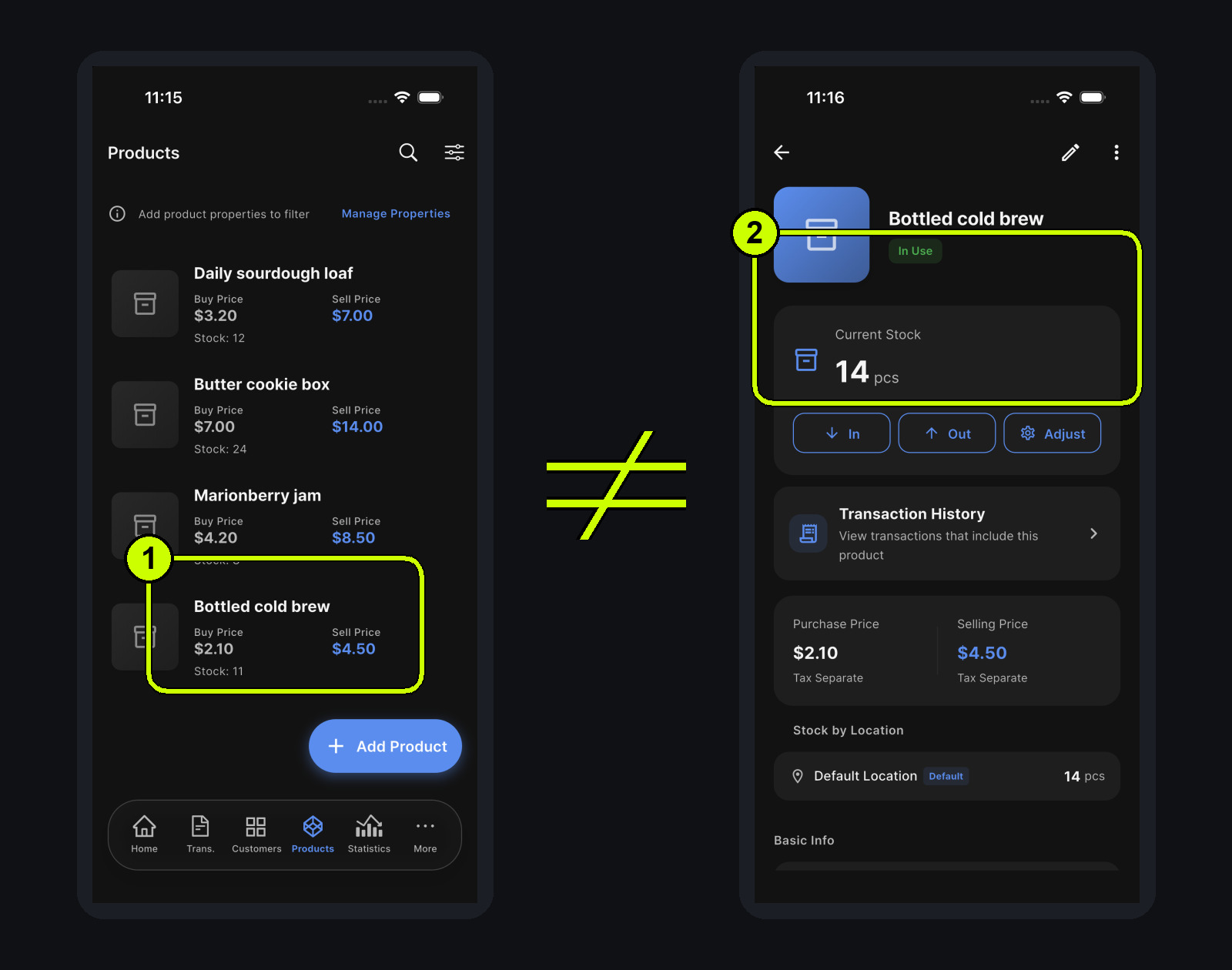
On Friday afternoon, Maya Collins was restocking the cooler at Juniper Street Bakery in Portland. She counted 11 bottles of cold brew. Salesdocks showed 14.
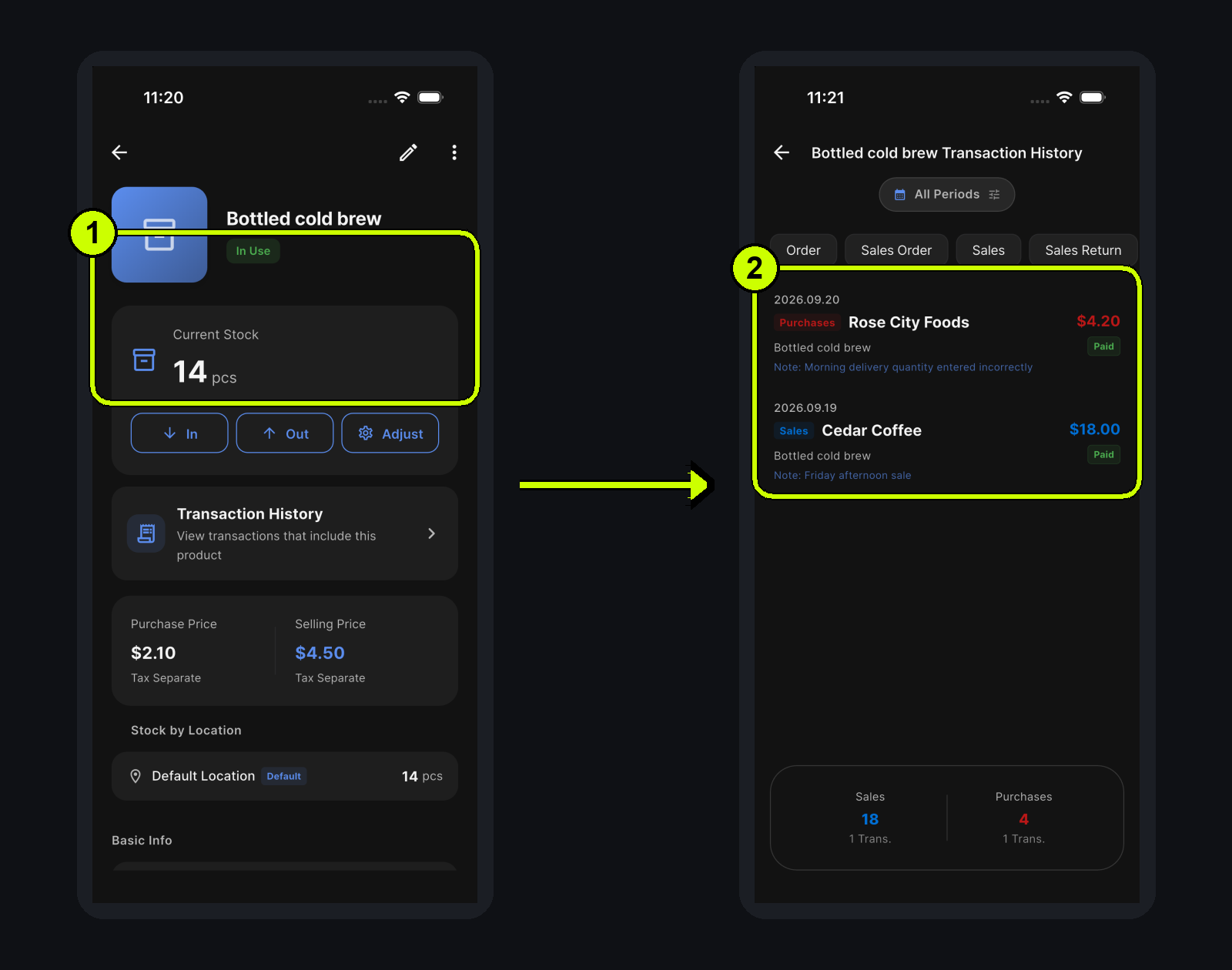
Her first thoughts were familiar to anyone who runs a small shop: Was the delivery short? Did someone ring up the wrong item? Had a bottle left without being paid for? A three-unit gap could not answer any of those questions. Instead of relying on memory, Maya laid out the week’s receipts and opened the product’s transaction history.
Small delays create more gaps than dramatic mistakes
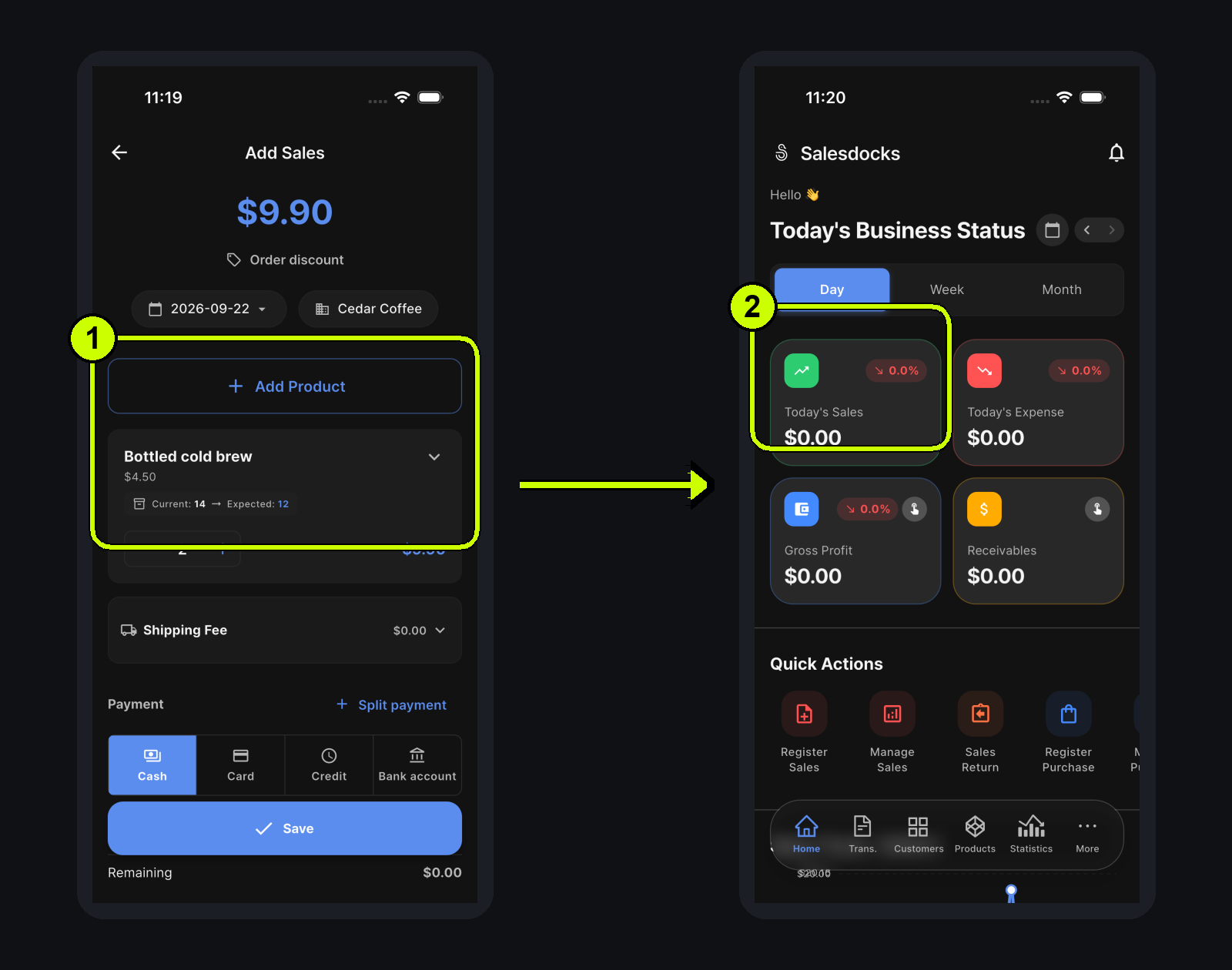
The Thursday lunch rush had been busy. Two customers paid cash for bottled cold brew. Maya made a quick mark beside the register and planned to enter both sales after the line cleared. Then a catering pickup arrived, and the note disappeared under a stack of order slips.
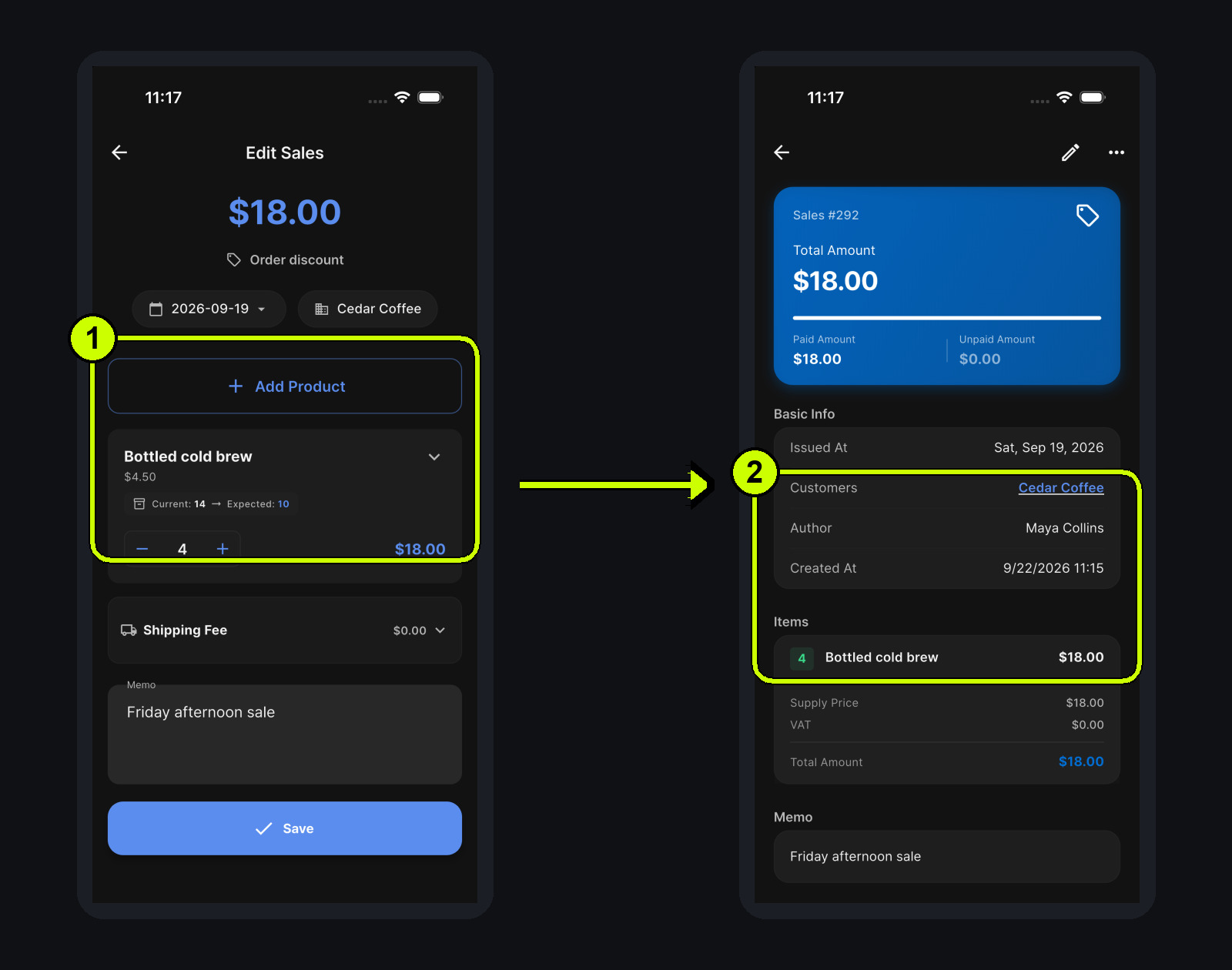
That same morning, one bottle had arrived in a mixed delivery. While reading the packing slip, Maya entered a quantity of two. Nothing had vanished in one mysterious event. Two sales had never reached the records, and one extra bottle had been added on paper.
This is a common inventory problem in a working shop. The information usually exists somewhere. The moment for recording it simply gets pushed aside by the next task.
A missed sale leaves inventory higher than reality
The first half of the difference was straightforward:
- opening inventory: 16 bottles;
- recorded sales: 4 bottles;
- inventory after recorded sales: 12 bottles;
- additional sales that were never entered: 2 bottles.
When a sale is recorded, the expected stock for that product goes down. When the sale is missing, the system has no reason to believe those bottles left the bakery. The cold brew was already with customers, but two bottles were still sitting in the digital count.
An incorrect purchase can widen the gap in the same direction
The delivery entry added the final unit of difference:
- inventory after recorded sales: 12;
- quantity entered from the delivery: 2;
- recorded inventory: 14;
- quantity actually delivered: 1;
- physical inventory after the two missed sales: 11.
The missed sales made the recorded count too high by two. The delivery entered as two instead of one added another. What looked like one three-bottle mystery was really two ordinary recording errors moving the number in the same direction.
Inventory history is for finding a break in the sequence, not a person to blame
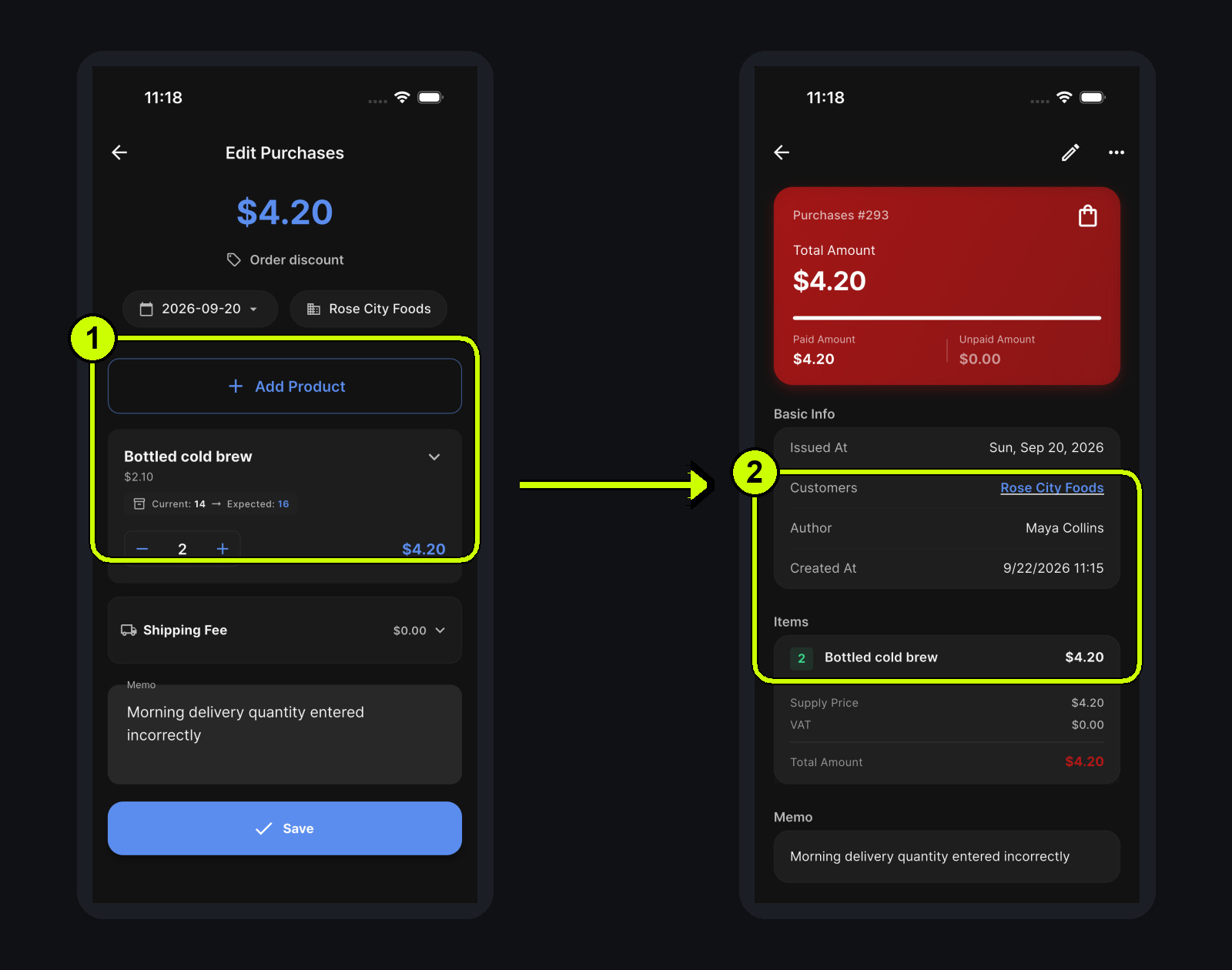
When counts disagree, a conversation based on memory can quickly turn into “Who forgot?” A better question is: When did the quantity last make sense, and what movements came after it?
Product history shows sales as decreases and purchases as increases. Compare dates, quantities, and counterparties with receipts and delivery slips. Once the break is clear, enter the missing sale on its real date or correct the original purchase. Simply forcing the current quantity to match can hide today’s difference while leaving tomorrow’s team with no explanation.
Start by counting one fast-moving product today
Counting an entire bakery can make inventory feel like a project that never gets started. Choose one product that moves often instead.
- Count what is physically present.
- Compare it with the current recorded quantity.
- If they differ, read recent sales and purchases in time order.
- Add a missing transaction on its actual date or correct the original entry.
The first step toward reliable inventory is not counting more often. It is keeping the moments when products enter and leave in the same record.
Even complete sales and purchase records do not explain every difference. A customer return, a supplier return, and bread written off at closing move inventory in different directions. The next story, How should returns and waste appear in inventory?, follows that problem.